
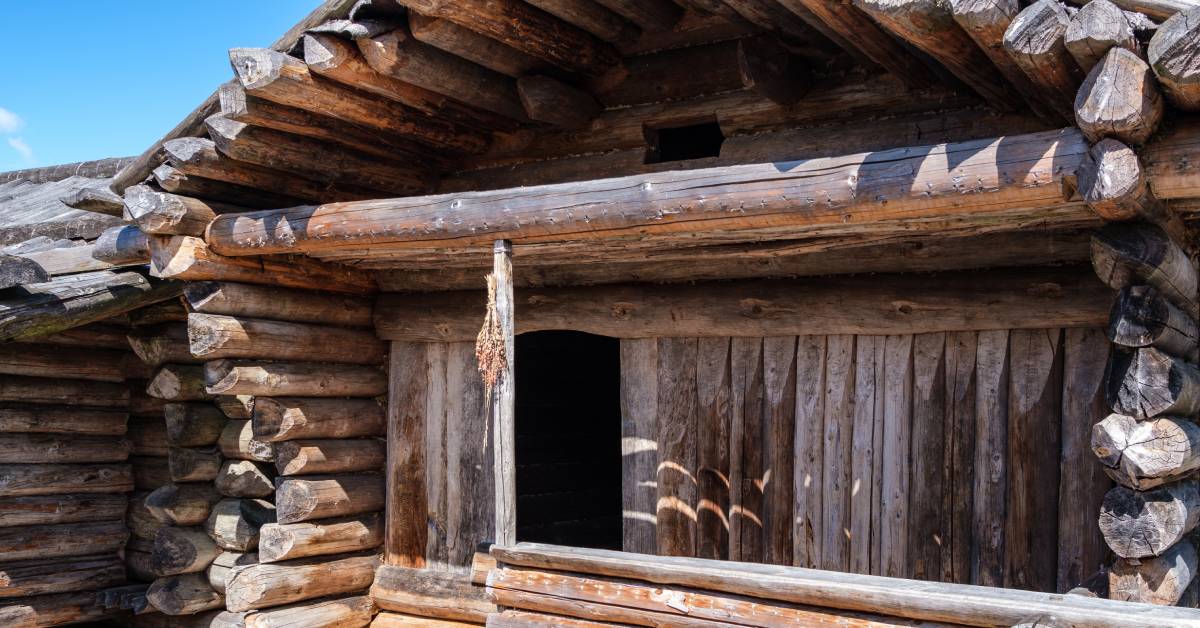
Since they've been around, log homes have captured the hearts of many with their rustic charm and timeless appeal. However, for those who own a log home, maintaining its structural and aesthetic integrity becomes increasingly difficult as time and environmental factors take their toll.
While log homes are built to last, they're not immune to wear and tear. Spotting the warning signs early can mean the difference between simple repairs and a costly restoration project. With these ten telltale signs your log home needs restoration, you can ensure yours lasts and maintains its rustic appeal.
Why Timely Restoration Matters
A delay in addressing log home issues can lead to compounded damage, potentially costing tens of thousands of dollars. Beyond the financial implications, neglect can detract from your home's beauty and historic charm. Regular restoration ensures your log home remains structurally sound, energy-efficient, and a source of pride for generations.
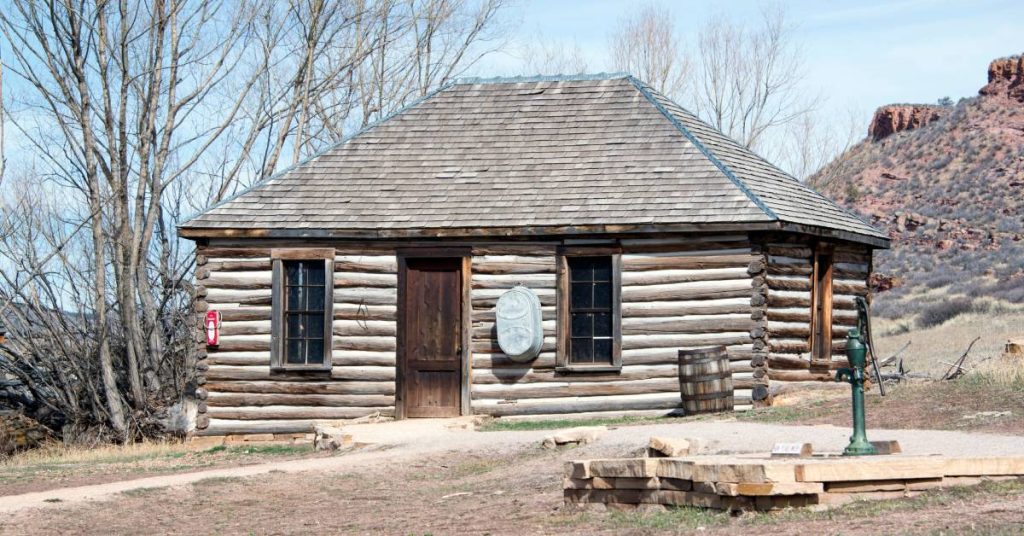
Signs Your Log Home Needs a Restoration
1. Rotting Logs
Rot is one of the clearest signs that your log home needs attention. You might notice soft spots, crumbling wood, or a musty smell, all indicative of moisture-seeped logs breaking down. Common culprits include poor drainage, faulty gutters, or prolonged water exposure. Left untreated, rot can spread to other areas and weaken your home's structure.
2. Cracks and Splits
While natural cracks, or "checks," occur as logs age, deep splits can become problematic. Cracks that allow water to seep in can promote rot, pest infestations, and structural damage. Pay special attention to cracks facing upward, as they're most likely to collect rain or snow.
3. Fading or Peeling Stain
Your log home's stain is like sunscreen, shielding the wood from harsh UV rays, moisture, and the elements. If the stain is fading, peeling, or flaking away, your logs are left vulnerable to damage. Regularly reapplying stain is essential to keep them protected.
4. Visible Mold or Mildew
Signs of mold or mildew on your logs can indicate excess moisture. Whether you find damp patches under shaded eaves or entire sections of green or black growth, you must address the underlying moisture problem and clean the area.
5. Pest Infestations
Logs are inviting to critters like carpenter ants, termites, and beetles. Clues of infestation include small holes, tiny wood shavings, or unexplained noises from within the logs. Immediate action is required to prevent pests from causing further damage.
6. Drafts or Temperature Imbalance
A properly sealed log home provides consistent insulation. If you're noticing cold drafts in winter or hot spots in summer, gaps, cracks, or shrinking logs may be to blame. Inefficient insulation makes the temperature harder to control, leading to discomfort.
7. Sagging Roof or Misaligned Windows
Structural issues such as a sagging roof or windows that won't close properly often signal shifting or settling logs. Beyond aesthetic or functional problems, they can point to bigger foundational concerns that need addressing.
8. Soft or Bulging Wood Surfaces
Run your hand across the logs. Do you feel wood that is unusually soft, spongy, or bulging in spots? This can hint at internal water damage or rot. These hidden issues can escalate quickly, so don't ignore the early warning signs.
9. Water Stains or Discoloration
Have you noticed water stains inside your home or discoloration on the exterior? Water intrusion due to poor sealing, cracked logs, or failing flashing can lead to unsightly stains and serious long-term structural problems.
10. Loose or Missing Caulking
The caulking and chinking between logs create essential seals to keep water, air, and pests out. Missing, loose, or cracking caulking suggests that resealing is needed to prevent further damage.
The Restoration Process
Tackling a log home restoration might seem daunting, but understanding the process helps simplify the task. Here's what typically happens:
- Assessment: A thorough inspection identifies areas requiring attention, including rot, cracks, pests, and moisture issues.
- Repair or Replacement: Problematic logs are repaired or replaced with care to preserve the home's original aesthetic.
- Sealing and Staining: The restored logs are sealed and coated with a protective stain to shield them from weather and UV rays.
- Final Inspection: A detailed inspection ensures all work meets structural and visual standards.
By following these steps, you can get your cabin back into a functional state, ensuring it remains comfortable and efficient throughout the year.
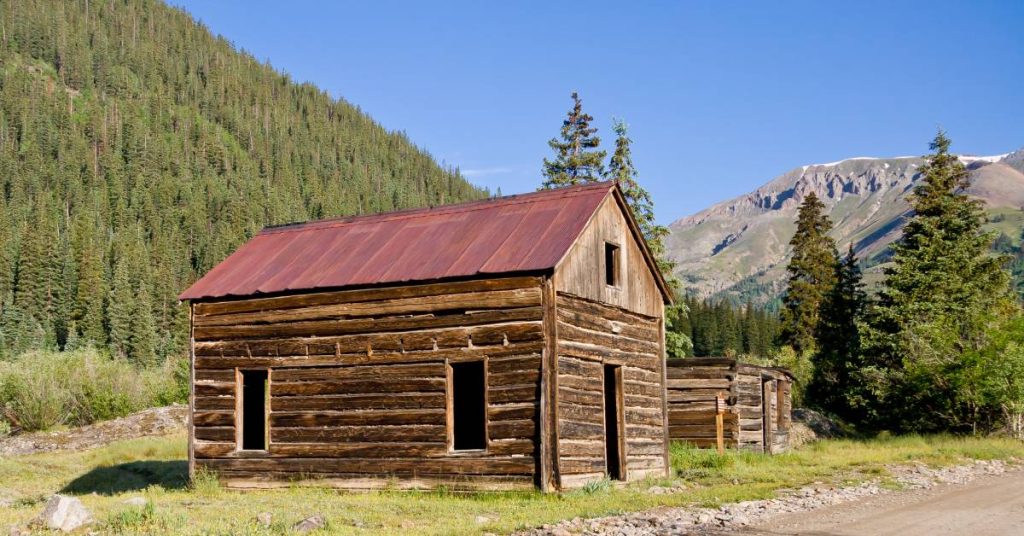
Avoiding Common Mistakes During Restoration
While the restoration process is fairly straightforward, there are specific challenges that can get in the way of a successful project. Here's what to watch out for:
- Choosing the Wrong Products: Always use high-quality, wood-specific stains and sealants.
- Ignoring Underlying Problems: Surface fixes might look good for a while, but neglecting the root causes of damage leads to recurring problems.
- Going Over Budget: Unexpected expenses can arise during log home restoration, potentially causing the project to go over budget.
- Lack of Planning: Without a well-thought-out plan, the project can quickly become disorganized and inefficient
With thoughtful preparation, you can avoid many of these issues and ensure your restoration goes off without a hitch.
Cost Considerations and Budgeting Tips
The cost of log home restoration varies widely depending on the extent of damage and the size of your home. Here are some tips to stay on budget:
- Pay Attention as You Work: Regular inspections help catch small issues before they escalate into costly repairs.
- Do Your Research: Compare prices and quotes to find reasonable rates without compromising quality.
- Invest in Preventative Maintenance: Addressing minor issues is less expensive to than full-scale restoration.
- Hire a Contractor: If you're uncertain, don't hesitate to seek guidance from experienced professionals who can provide valuable insights and recommendations.
By setting a budget ahead of time and considering these key aspects, you can save money and reduce waste throughout the process.
Choosing the Right Professional
Finding the right restoration expert can be challenging if you aren't sure where to start. Look for contractors with:
- Extensive experience in log home restoration.
- Positive testimonials and references.
- Knowledge of region-specific issues, such as weather-related damage.
- Transparent pricing and a detailed restoration plan.
Carefully consider anyone you hire, as their work will likely have a huge impact on the overall quality of your restoration project.
Long-Term Maintenance Strategies
Once your log home has been restored, adopt these practices to prolong its life:
- Clean the exterior regularly to remove dirt, mold, and mildew.
- Reapply stain and sealant every 3–5 years, depending on your climate.
- Inspect for signs of damage after harsh weather conditions.
- Trim nearby trees and shrubs to improve air circulation around your home.
With these basic steps, you can ensure your log home looks good while maintaining its resilience against the elements.
Preserve Your Log Home's Heritage
Your log home represents a connection to history, nature, and a slower, simpler way of life. Restoring and maintaining it ensures this unique legacy can be cherished for generations. As such, these telltale signs your log home needs restoration shouldn't be ignored.
Are you embarking on a log home restoration project and in need of professional guidance? At Great South Log Homes, we're the experts in restoration and repair, making every project a breeze. See for yourself how we can improve the condition of your home, one log at a time.